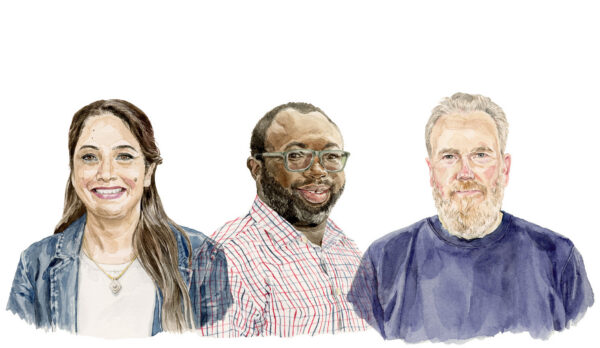
Western professors are putting artificial intelligence to work in the classroom, helping students use it in practical, creative ways. Through the Centre for Teaching and Learning’s Generative AI Teaching Fellowship, three inaugural fellows are experimenting with new approaches and sharing what they learn with colleagues across campus.
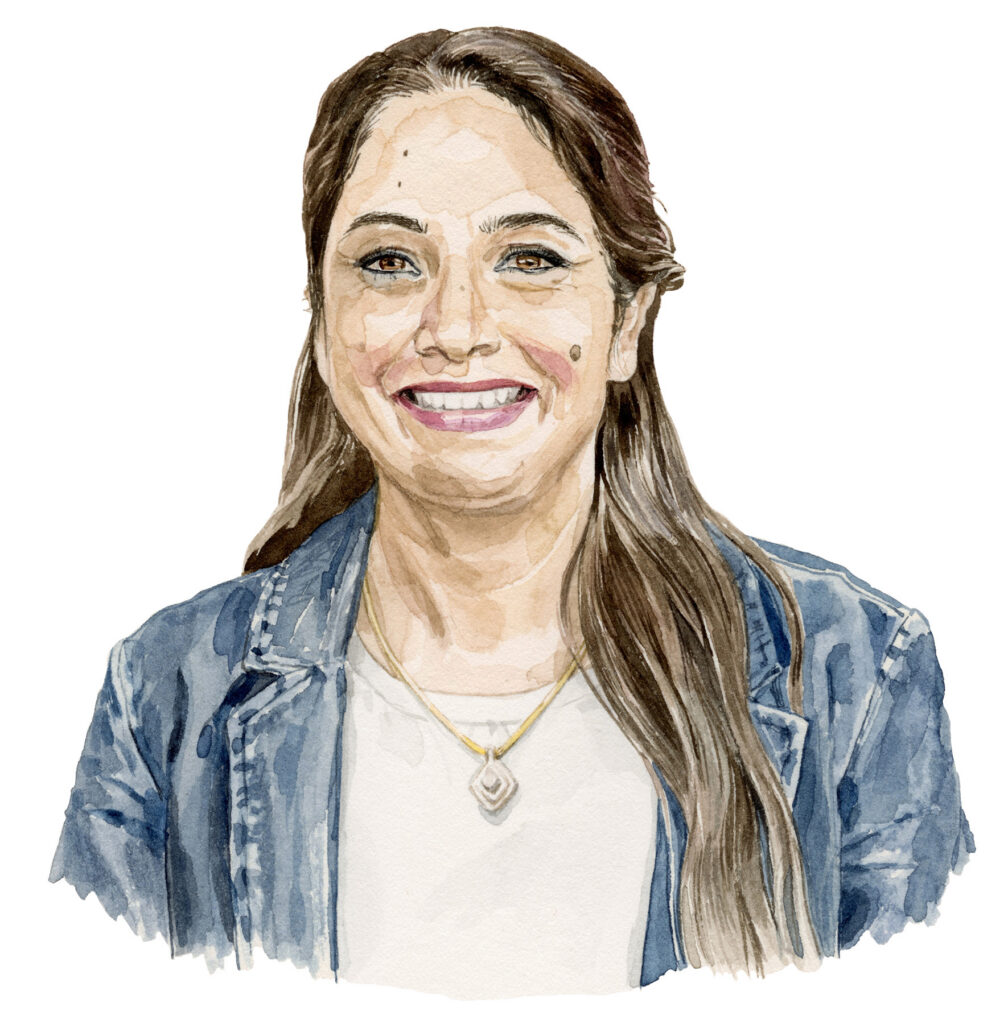
Guneet Kaur Nagpal
Ivey Business School
What’s your project?
I developed a marketing strategy simulation called plAIbook, designed to help students learn to question and analyze the results they get from AI. Students act as the CEO and use structured prompts, constraints and verification checkpoints to turn GenAI into a research assistant that helps inform their marketing plans. The goal is to harness the power of AI while retaining ownership of business decisions.
How can AI change learning?
AI lets students focus on how to think, not just what answer to produce. Working through a GenAI simulation, students can practice thinking like marketers—framing problems, testing assumptions and making trade-offs—rather than just coming up with perfect answers. I’m passionate about using AI in teaching, but I’m open about its pitfalls: confident-sounding buzzwords, hallucinations and the trap of mistaking polish for insight.
What skills do you teach students?
I want students to deepen the human skills that AI can’t replace: problem framing, judgment amid uncertainty and disciplined thinking. They should learn to separate evidence from assumptions, ask sharper questions and verify information.
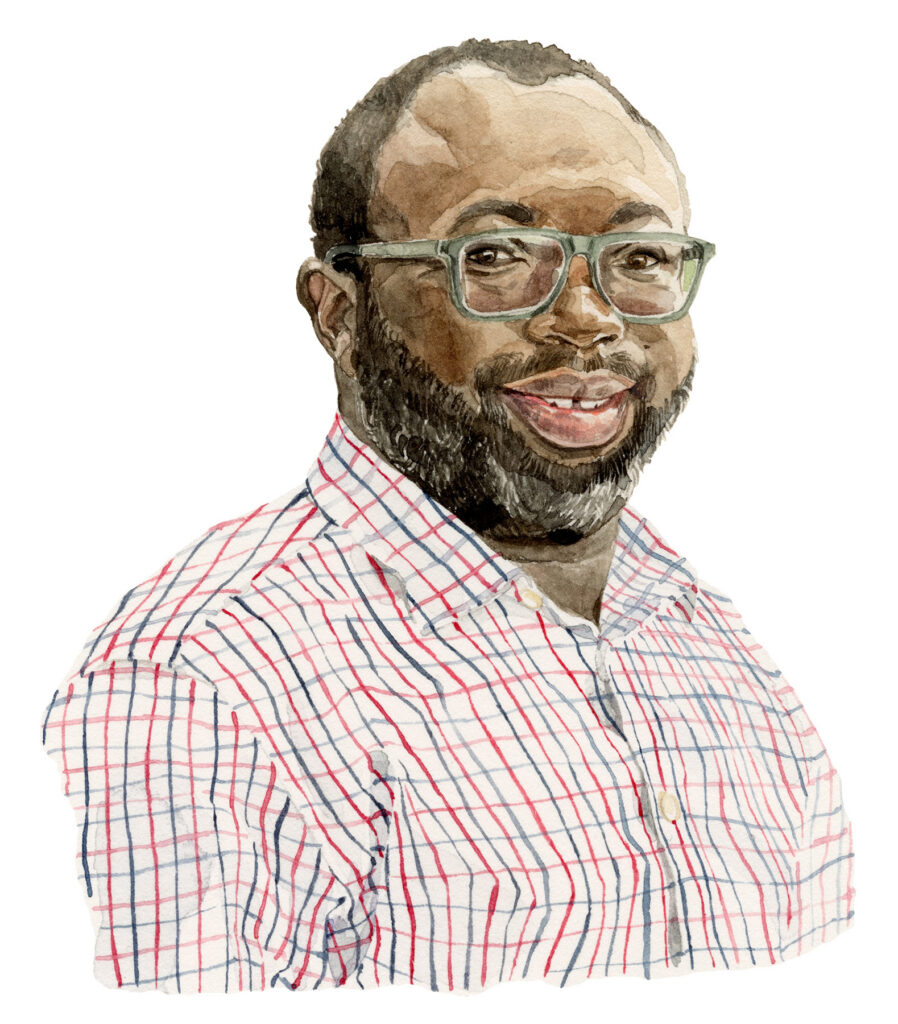
Andrews Tawiah
Physical therapy
What’s your project?
Our team is developing an AI learning platform where physiotherapy students can practice dealing with different patient examples they may encounter in clinical work and rare health scenarios they wouldn’t necessarily see in a placement. This platform will complement how we teach clinical reasoning in the classroom, guiding students through cases rather than supplying answers.
What have you discovered so far?
AI is becoming part of health care. We want students to know where AI can help and where it shouldn’t be relied on. To prepare future health professionals, we want to create a platform that acts as a collaborative partner so students can get instant feedback, tackle complex problems together and feel empowered to take charge of their own learning.
How are you enhancing learning?
The unique part about the tool we’re building is that it’s adaptive. It starts at a baseline level of difficulty in physiotherapy scenarios and increases in complexity as students perform well, strengthening their reasoning skills. If they struggle, the model provides more scaffolding to help them learn.
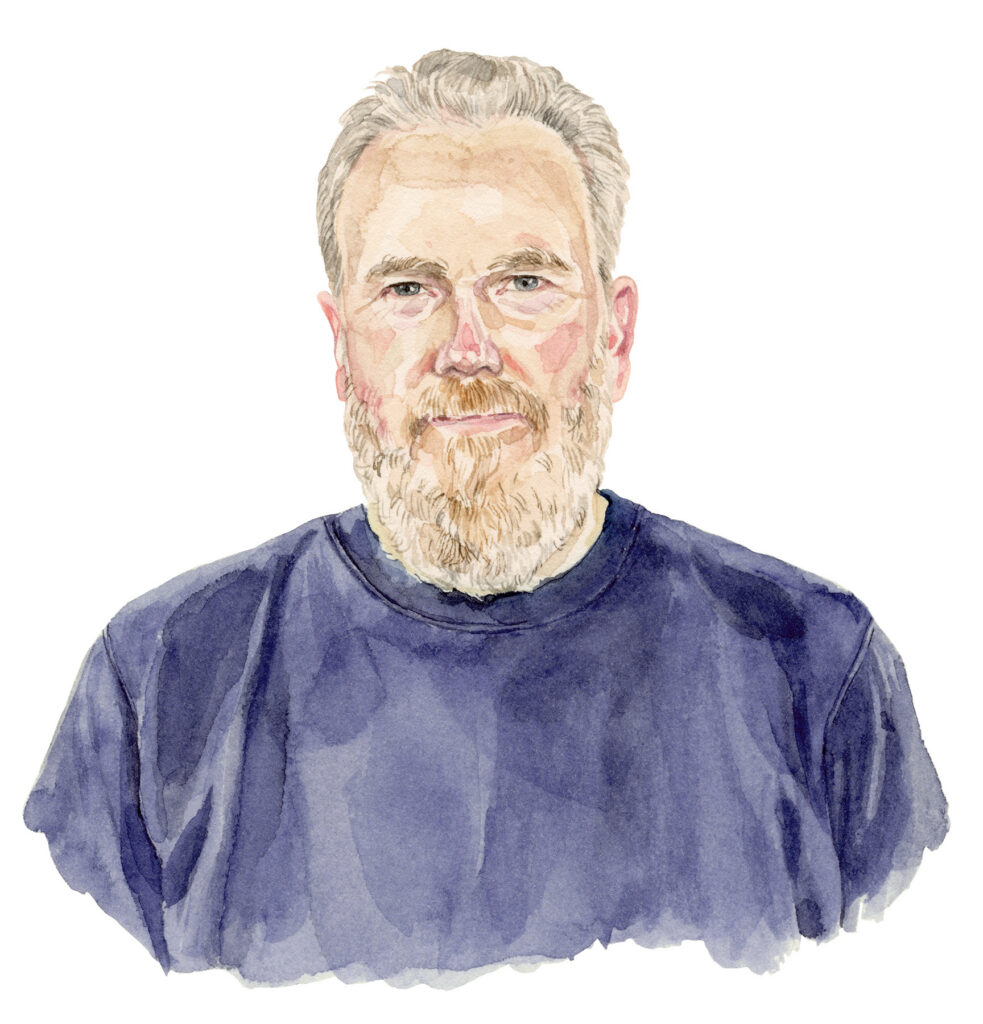
Bill Turkel
History
What’s your project?
I’m developing hands-on teaching modules that use real-world circumstances, such as historical and international relations case studies, to help students and AI work together effectively as a team. This work will help students develop hypotheses, challenge the evidence they’ve extracted and test their reasoning skills.
What have you discovered so far?
AI is changing so rapidly that new possibilities are available every week. I want to prepare our graduates for a future where they’ll work alongside AI in almost every professional field. The goal is to help them learn to solve complex problems that neither a human nor AI could easily handle alone.
How are you enhancing learning?
AI has the potential to act as a digital teammate that helps us slow down our thinking and spot hidden biases. I’m focused on how we can use it to help people learn more effectively and quickly. It’s a powerful tool for navigating an information-heavy world, helping students uncover things they didn’t even know they were missing while sharpening their ability to evaluate evidence.