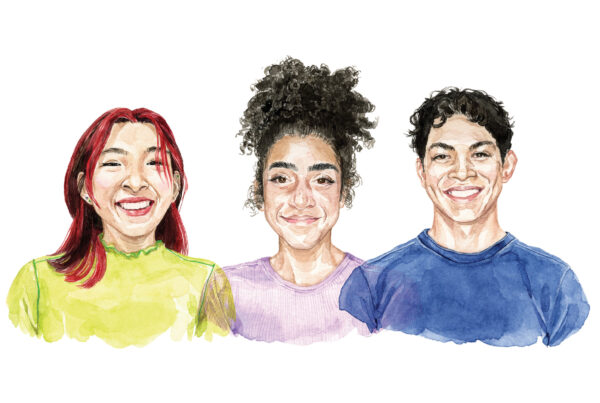
For many students, summer is about stocking savings accounts or taking extra courses. But for some, it’s a magic mix: meaningful work that applies what they’re learning in the classroom to real-world challenges through Western’s undergraduate summer research internships. These full-time, paid, 16-week positions are available across a range of disciplines.

Karen Hu
Voice Performance
My project:
I co-created The Choral Collection, a free online resource for choral leaders and educators that highlights works and provides teaching resources from historically underrepresented communities, such as music by 2SLGBTQ+ composers.
Why it matters:
The music we choose shapes how we teach and whose voices are heard. As diversity and inclusion principles become more important, The Choral Collection helps conductor-educators expand their practice and bring a wider range of music to their choirs with context, respect and authenticity.
What I’ve learned:
This has been an invaluable opportunity to learn and grow. I’ve expanded my music research, connected with choral leaders and deepened my curiosity about creating positive change through music education.
Next steps:
I hope my research inspires educators to challenge biases, uplift singers and broaden their view of choral music.
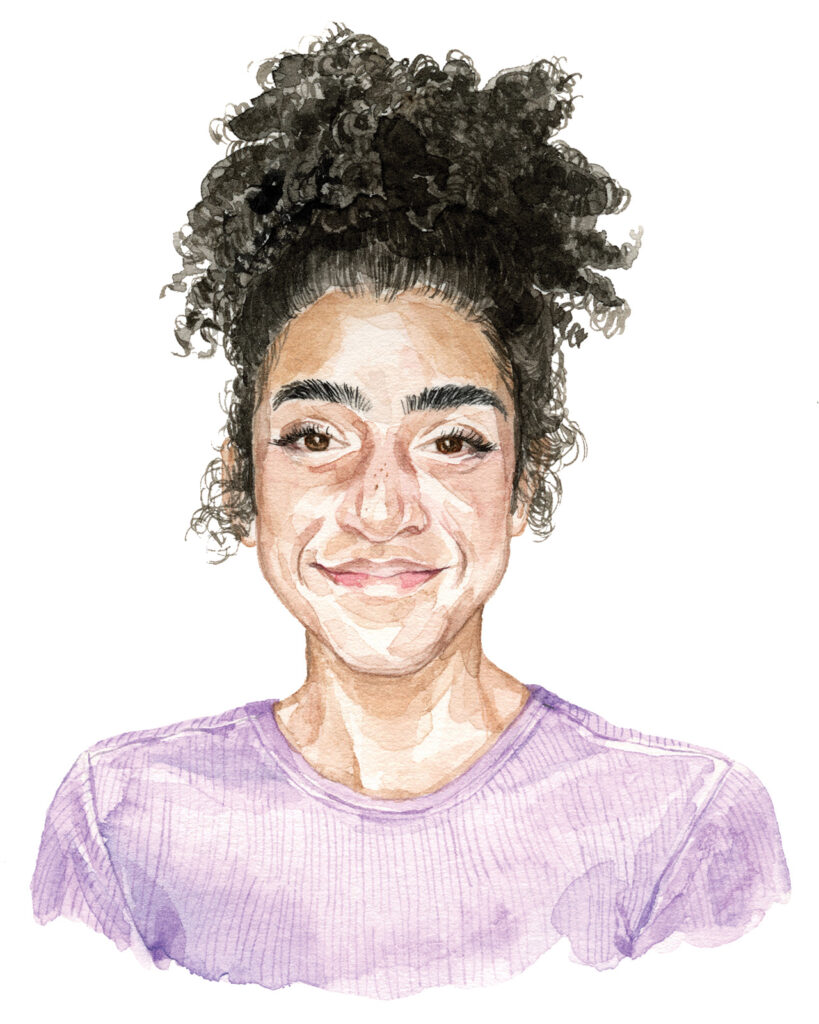
Megan Sutton
Kinesiology
My project:
I explored how Ozempic is portrayed on TikTok, tracking its growing use for weight loss and how its messaging has evolved.
Why it matters:
Ozempic as a weight-loss tool is becoming more widely accepted, reflecting society’s focus on thinness and its deeply ingrained anti-fat attitudes.
What I’ve learned:
I gained hands-on experience in research—reviewing literature, collecting and analyzing data and writing manuscripts. More importantly, I learned from experts, worked in a lab environment and built the foundation for my academic journey.
Next steps:
I want to keep exploring beauty standards, weight stigma and how social media reinforces harmful norms.

Joshua Givans
Engineering
My project:
I worked with African partners to test low-cost light therapy boxes for treating newborn jaundice.
Why it matters:
Jaundice is easily treatable in wealthy countries but claims over 100,000 newborn lives worldwide each year. By developing open-source, low-cost technology, we’re helping partners in Kenya to 3D print and deploy life-saving treatments where they’re needed most.
What I’ve learned:
Through this experience, I’ve seen firsthand how technology can truly transform lives. I’ve also gained the skills to analyze and write a research paper, all while working on a project that has real, immediate impact.
Next steps:
I’m developing advanced reasoning AI models to make it easier for people with mobility issues to use computers.