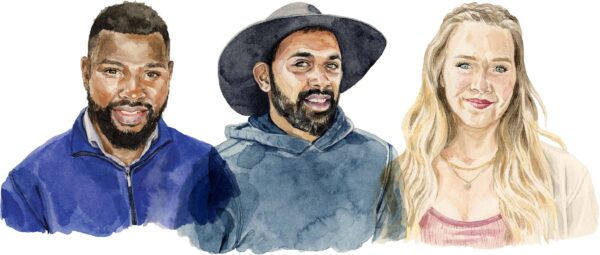
These Western PhD students are tackling pressing issues in developing countries, thanks to the International Doctoral Research Awards. Funded by the International Development Research Centre through Universities Canada, the awards empower researchers to apply their innovative ideas and improve lives around the world.
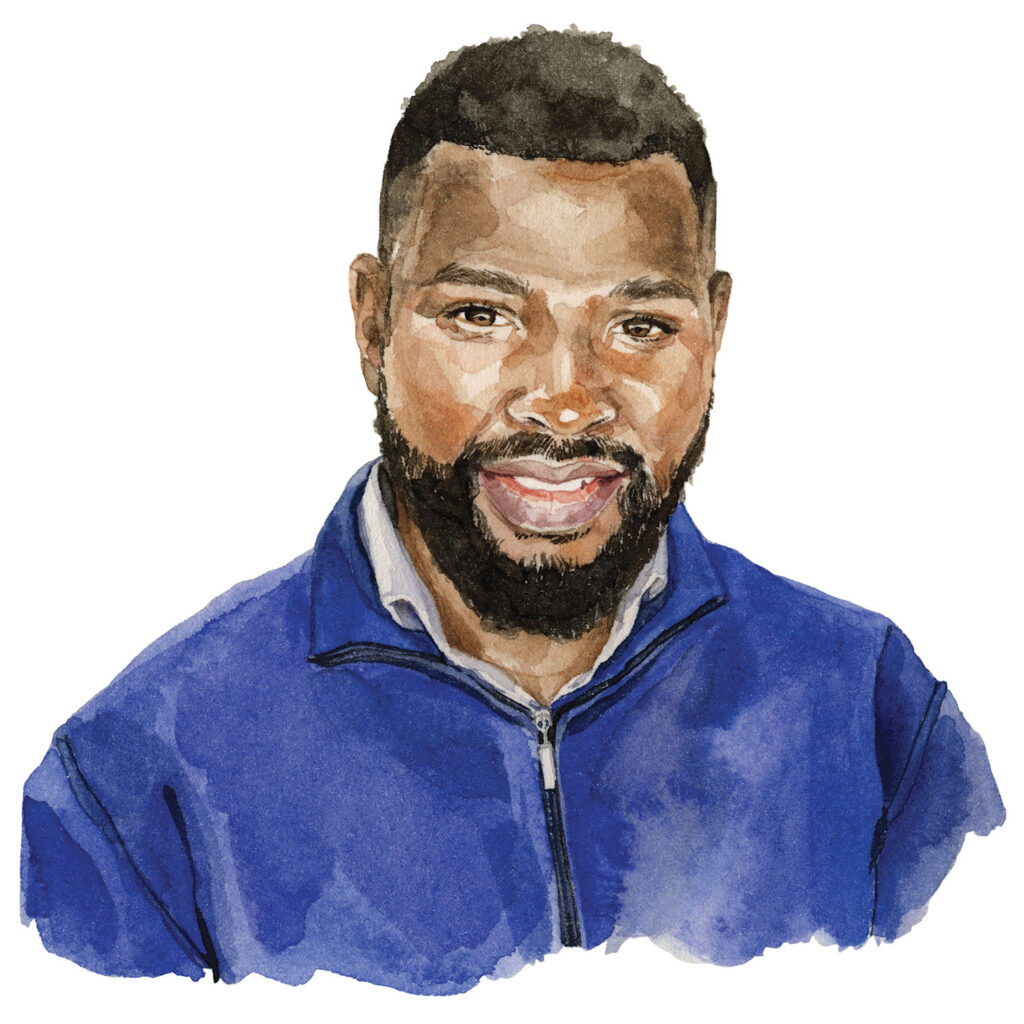
Daniel Amoak
Geography and Environment
My research:
About 80 per cent of Malawi’s population is engaged in farming. Given that seeds are the bedrock of this agricultural system, my research focuses on understanding seed insecurity in these communities and its impact on nutrition, climate resilience and the empowerment of small-scale farmers.
My goal:
Find solutions that support Malawian farmers in maintaining their crops, preserving their traditions and ensuring food security for future generations.
My inspiration:
As a boy in Ghana, my family hosted foreign researchers and exchange students who became friends, spending time in our community, visiting schools and donating items. Hearing them talk about their work and its impact sparked my interest in research as a path to explore the world and make a meaningful impact.
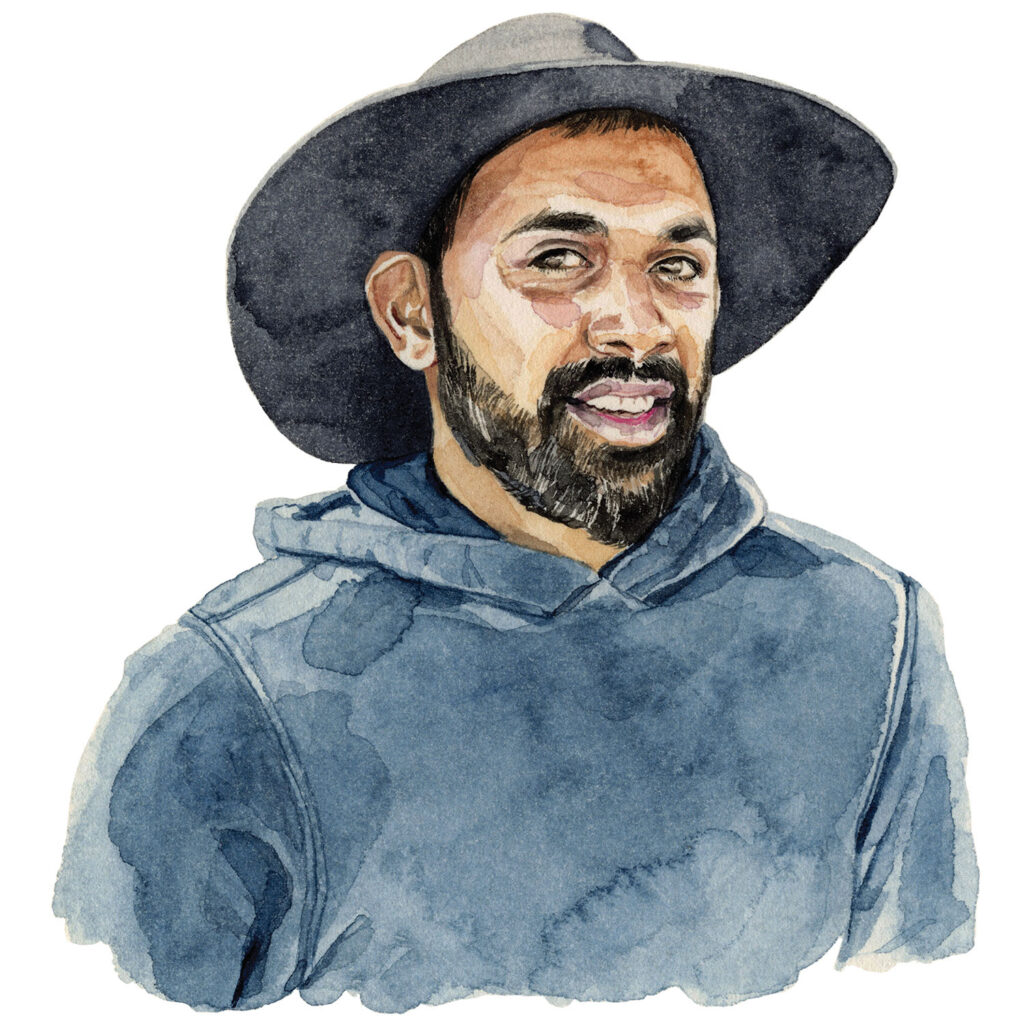
Arun Jentrick
Gender, Sexuality and Women Studies
My research:
The 30-year Sri Lankan civil war resulted in 25 per cent of households being led by women. I study the challenges faced by these households, focusing on the differences between Sinhalese, Muslim and Tamil communities, and looking at factors such as religion, age, class, education and disability.
My goal:
Inform social, economic and legal policies to benefit women-headed households in Sri Lanka and around the world.
My inspiration:
I grew up in a male-dominated environment in Sri Lanka where women, even in my own family, were treated differently. My mother taught me these beliefs were wrong. Questioning these norms led me to study women’s health, leading to a master’s and a career in gender equality and women’s empowerment.
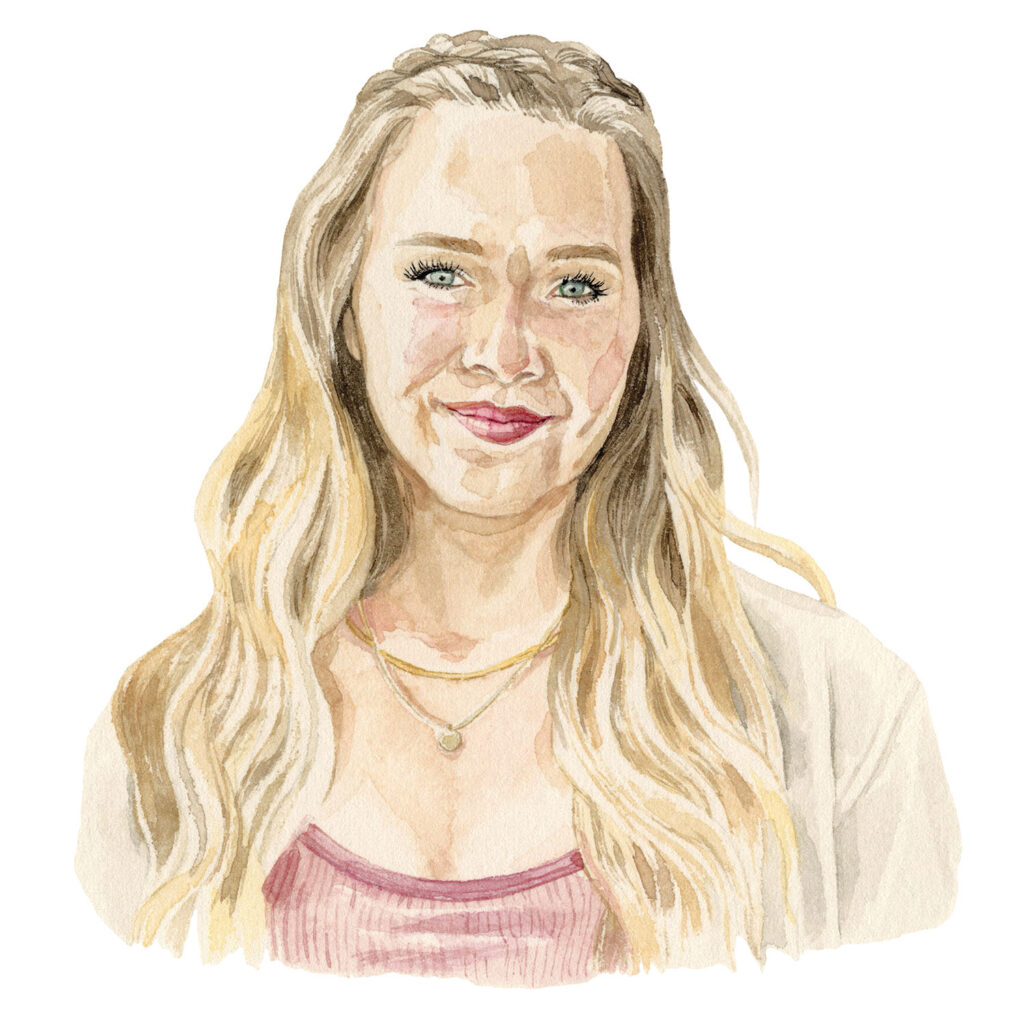
Brianne O’Sullivan
Health Information Science
My research:
I look at ways medical delivery drone systems are implemented in Madagascar, Rwanda and the Democratic Republic of the Congo. I’m also working with Moose Cree First Nation in northern Ontario to establish and assess a medical and emergency response drone system there.
My goal:
Improve global health equity access by using new technologies and collaborating with leaders from low- and middle-income regions to advance health outcomes.
My inspiration:
Fiery dinner table debates on politics were the norm in my Irish family and ignited my passion for global public health and health equity. Books—my lifelong teachers—fueled my understanding of history and inequities. This combination led me to where I am today, as a student, advocate and global health professional.
